
Hyde Insurance Group Blog |
 Young adulthood is a time of transition, and many young adults may find themselves navigating the complex world of health insurance for the first time. With so many options available, it can be challenging to know what to look for and how to get the best health insurance coverage for your needs. In this article, we will discuss what to look for in health insurance for young adults and how to get it.
0 Comments
 Health insurance is an essential tool to help you manage your healthcare costs. With the right coverage, you can receive the care you need without worrying about the financial burden it may place on you. However, many people are not aware of the various benefits and resources that their health insurance plans offer. In this article, we will provide you with some tips and strategies to help you maximize your health insurance benefits and get the most out of your coverage.
 Living a healthy lifestyle is no simple process. One key factor to consider in maintaining and living a healthy life is that whatever measures and methods you use to improve and increase the quality of your life should be followed consistently throughout your life. That is because it is a continual process with a life-long goal.
If you want to improve your lifestyle for your health, you can re-evaluate your current routines. While it may be difficult to break old habits, following healthy living habits can help you maintain your body healthy while reducing your chances of acquiring ailments. Here are some ideas to help you maintain a healthy lifestyle.  People these days get so caught up in the hustle and bustle of their hectic lives that they forget to lead a well-balanced life. Instead of eating a healthy meal, they are content with eating fast food or processed meals, which contain preservatives that cause inflammation in their bodies. Also, they no longer find time to exercise or engage in physical activities. Living healthy can lead to a happy life. Here are some tips for healthy living.
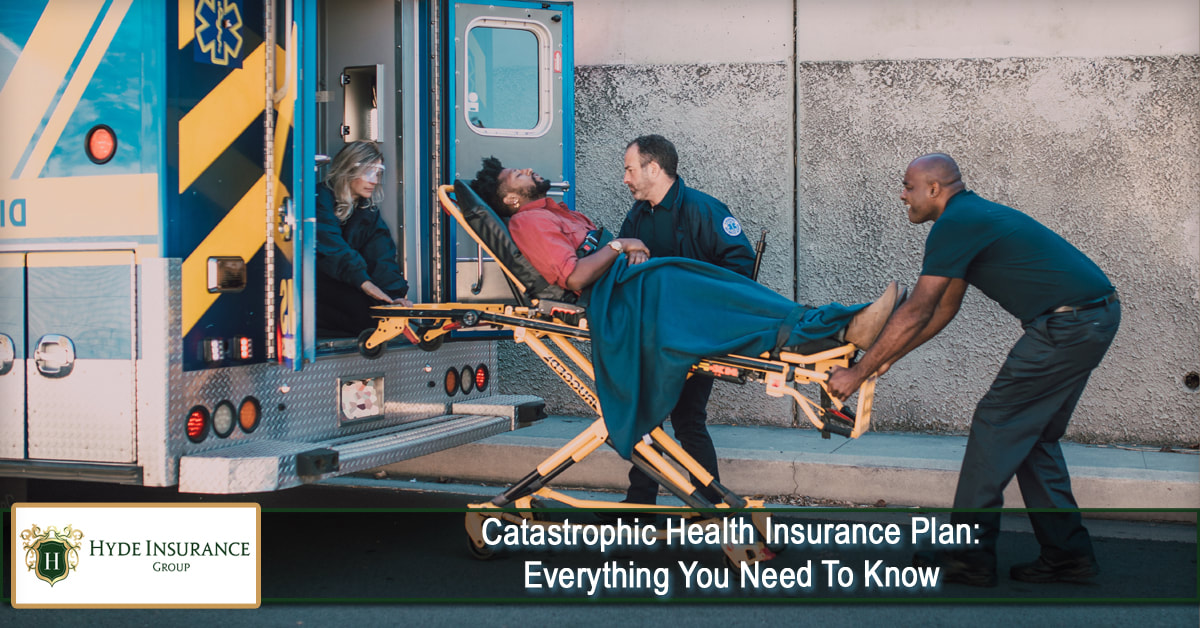 Natural catastrophes are events that are beyond our control. We cannot predict when they will happen. The only thing we can do is prepare for it. When catastrophes happen, there are serious repercussions we may not be ready for. Getting sick or seriously injured is one of them. Are you ready to pay out of pocket if you do not have health insurance?
In emergencies, catastrophic health insurance can free you from paying your medical bills. This type of insurance comes with low monthly premiums and high deductibles. You cannot use a premium tax credit to lower costs. If you are eligible for premium tax based on your income, you are better off with a Bronze or Silver plan.  Healthcare is expensive, but it doesn’t have to be, especially for employees. Receiving compensation from work is important, particularly if it’s for well-being. Insurance has many perks, from basic health benefits to comprehensive ones.
 Your medical costs and other related expenses can be covered by health insurance. Most people can't afford to pay for their medical expenses with cash, so they charge them to a credit or debit card. Paying for medical expenses and obtaining the treatment you require can be made simpler with health insurance.
However, it is extremely difficult to navigate health insurance coverage. Consumers generally have no control over the services provided, the services that are covered, or the final cost of the services. You might not be aware that health insurance does not pay for these usual expenses. It can be a major shock to learn that you must pay a large medical bill you assumed your health insurance would cover. Here are some unexpected things that health insurance doesn't cover. 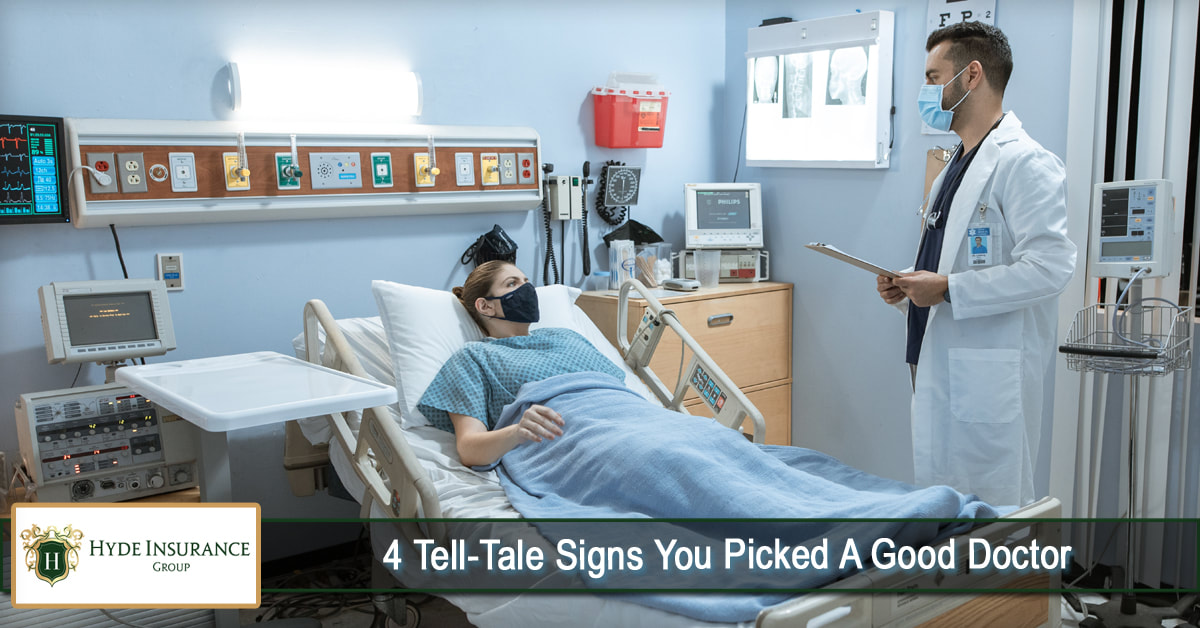 A doctor who doesn't do their job well can give you misinformation regarding your health condition. In turn, such misinformation may lead to inaccurate diagnoses and inappropriate treatment. Over ten years of training equip doctors to give you the best health care services. When you find these traits in a doctor, then you've found a good one:
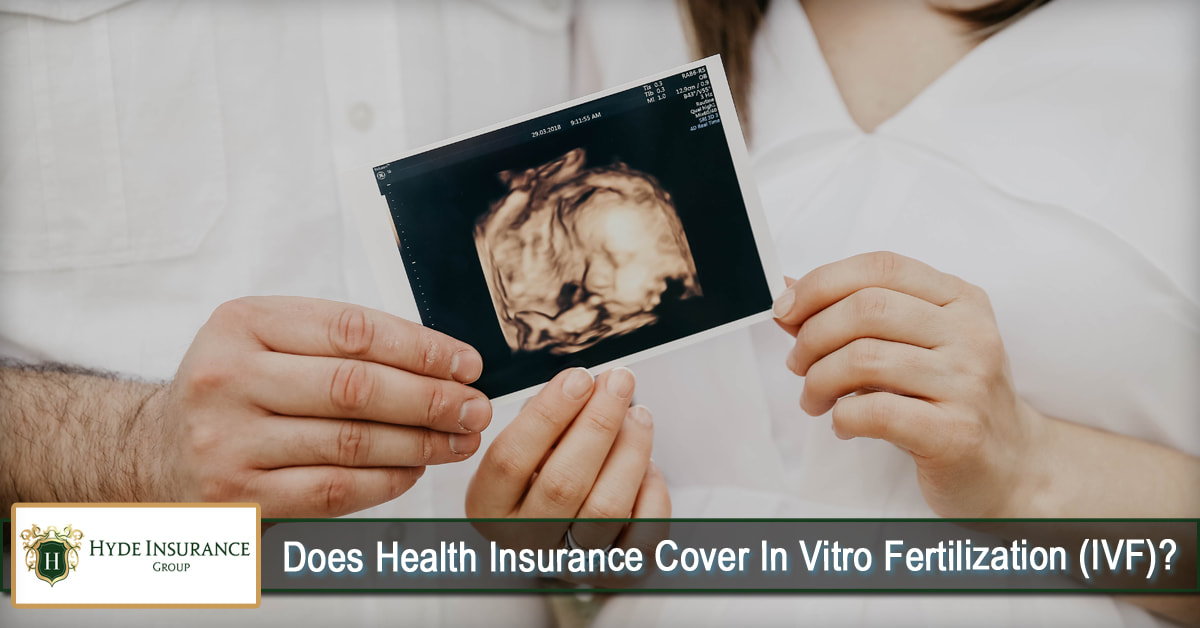 In Vitro Fertilization is part of assisted reproductive technology (ART), where sperm and the mature egg cell are fertilized outside the mother’s womb, in a lab, usually in a fertility clinic. Once the egg is fertilized in a petri dish or through sperm injection in a single egg (ICSI), it will be implanted in the mother’s womb or the surrogate mother’s womb.
Infertility increases with age. Getting pregnant canh be quite difficult for women ages 35-40 years old, and IVF has become an option. You have to take note that both men and women may have the factors in experiencing infertility for them not being able to conceive a child. Also, this is the route taken for many LGBTQ+ individuals to conceive and have a child and for couples who have genetic disorders when it comes to fertility. There are also many causes why IVF has become an option for getting pregnant other than old age:  Allocating some of your morning time to stretching is a great serotonin boost to help you get through the day. May it be for just 10or 20 minutes, as long as you stretch your muscles and have a quiet time.
Stretching is also a calming exercise for the mind amidst the thoughts of a busy day ahead. So, to give you some poses to start, here are the three best morning stretches you can do. |
Contact Us(888) 345-1215 Archives
February 2024
Categories
All
|
 RSS Feed