
Hyde Insurance Group Blog |
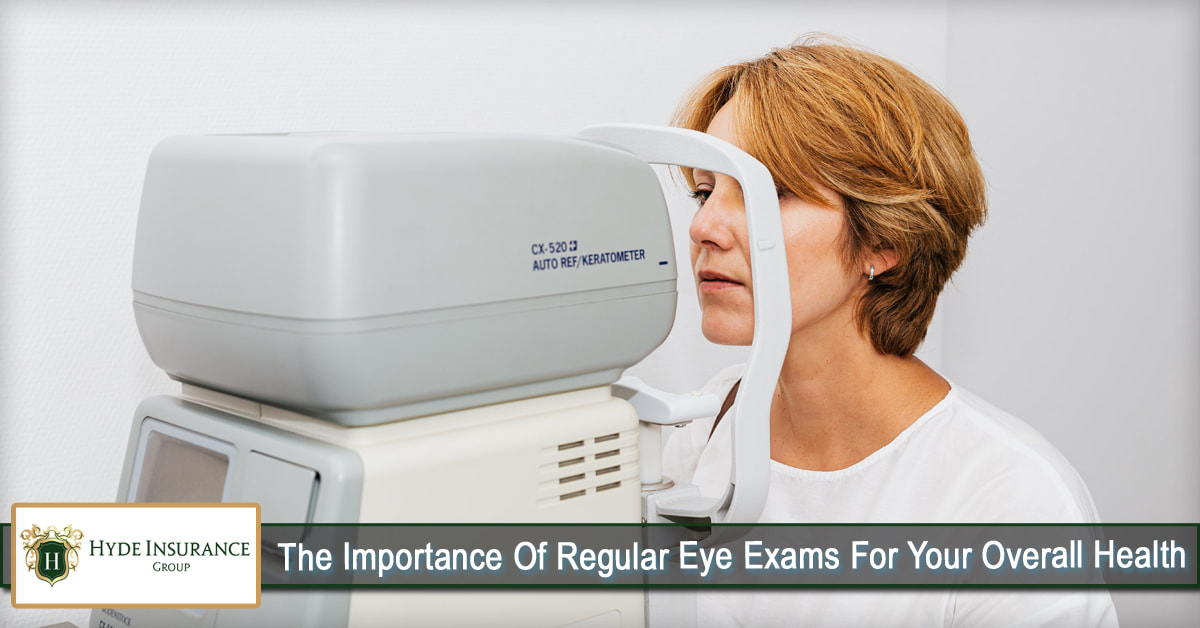 Regular eye exams play a vital role in maintaining good eye health and vision. Yet, individuals in The Woodlands, TX, may not fully grasp the broader impact these exams can have on their overall well-being. This article will emphasize the significance of regular eye exams for overall health and explore how vision insurance can enhance accessibility to essential eye care.
0 Comments
 Good eye care habits can help prevent eye problems and maintain overall health. Surprisingly, although they are very doable and practical, these routines are frequently neglected.
 Some people may find it difficult or unclear to distinguish between visual and medical insurance, especially since vision insurance is frequently used as a supplement to traditional health insurance. It would help you understand visual and medical insurance differences to make informed decisions about your healthcare coverage.
 Foods are the primary source of nutrients for the body. Your meal provides all the natural vitamins your bones, muscles, joints, and eyes require. But not all foods are nutritious. Choose a healthy diet that benefits your body. Additionally, food types can provide a variety of nutrients.
Foods that are good for the eyes can lower your risk of developing major eye complications. A nutritious diet may prevent certain conditions, such as glaucoma, cataracts, dry eyes, poor vision, etc. Here are the lists of foods that will keep your eyes healthy.  Happiness starts with health. Maintaining your health can be more difficult and expensive as you grow older. Health insurance may assist you in paying for medical bills, but unless you have a serious condition, it rarely covers vision care. You may invest in vision insurance separately to aid your eye treatments, check-ups, medications, etc.
To select the best eye plan, you must understand how it works, the types, and the coverage.  According to experts, individuals should do eye exams at least once every two years for adults. However, you can go to two types of eye doctors: optometrists and ophthalmologists. Both are professional doctors for eye health.
Ophthalmologists handle comprehensive eye and vision care, like eye diseases and abnormalities. These experts use high-end equipment, attend medical schools, and can perform eye surgeries. Optometrists usually diagnose and prescribe eye care products like contacts or glasses to treat eye conditions.  Most people know the benefits of typical medical insurance. But you can get comprehensive benefits with a vision plan. Most people purchase only one policy between medical and vision coverage. So, knowing how medical and vision coverage can help you.
 Vision insurance is a helpful way to minimize eye care costs. A plan can cover a portion of vision care costs in exchange for a monthly premium. Vision insurance is distinct from vision discount plans, which provide savings on eye care. Vision discount plans typically cost less annually than vision insurance, but you may pay more for eye exams and eyewear than with insurance.
Before enrolling, check a plan's coverage of all anticipated expenses because vision insurance policies cover eye-related expenses differently. Vision insurance is available to individuals and employers. Individual vision insurance protects self-employed people, your family, and yourself and can be purchased as needed, unlike employer-based insurance, which is limited to a specific period:  They say that the eyes are the mirrors of our souls. Aside from our teeth, the first thing people will notice is our eyes. The sense of sight is one of the most important senses that we cannot afford to lose. As much as possible, we want to maintain a 20/20 vision, but it may only sometimes be the case. Certain things can cause our eyesight to deteriorate. So read on so you can protect your sense of sight.
 Overall, wellness does not only include being active and looking after general health. It also includes monitoring eyesight and ensuring vision care is accounted for. Vision insurance may help provide for you in that regard.
|
Contact Us(888) 345-1215 Archives
February 2024
Categories
All
|
 RSS Feed