
Hyde Insurance Group Blog |
 In the world of celebrities, a dazzling smile is often a key component of their public image. Many stars have undergone remarkable dental makeovers to achieve their perfect smiles, transforming not only their appearance but also boosting their confidence. This article takes a closer look at some of the most iconic dental makeovers in Hollywood, highlighting the procedures that helped these celebrities achieve their stunning smiles.
0 Comments
 Dental crowns and bridges are common restorative treatments used to repair damaged or missing teeth, restore functionality, and improve oral health. However, these treatments can be costly, and navigating dental insurance coverage for crowns and bridges can be confusing. In this article, we'll explore the insurance options available for dental crowns and bridges, including coverage considerations, limitations, and tips for maximizing your benefits.
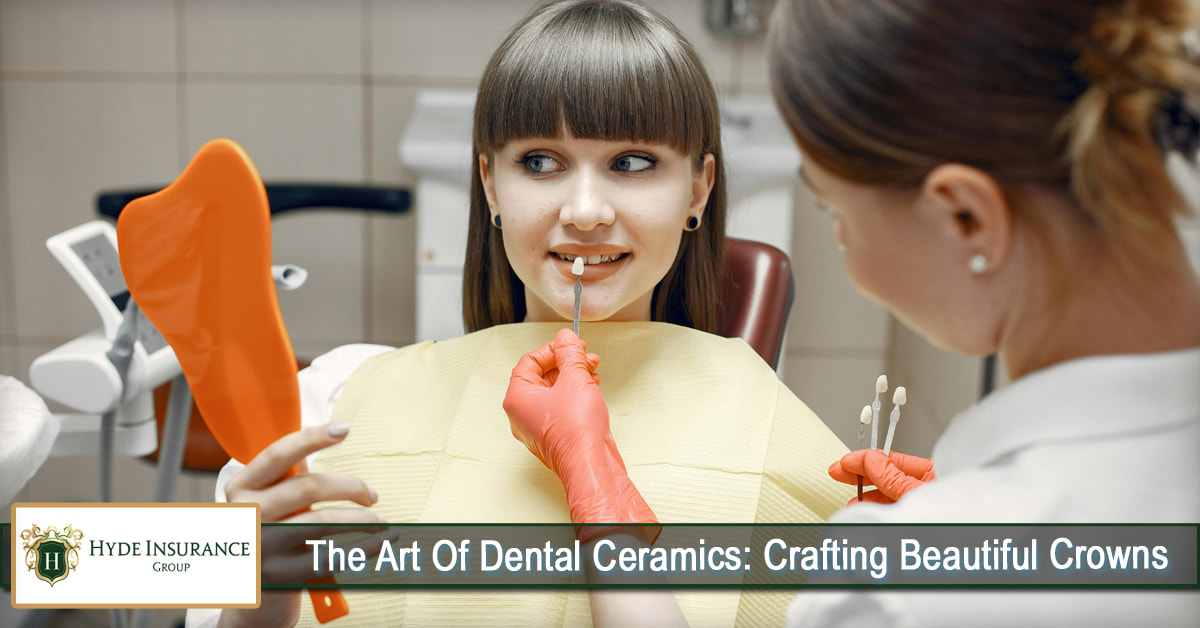 When it comes to restorative dentistry, dental ceramics are a true work of art. Dental crowns, often crafted from ceramics, are used to restore damaged or decayed teeth, providing both functionality and aesthetics. In this article, we'll explore the intricate world of dental ceramics, their role in creating beautiful dental crowns, and how dental insurance can play a part in ensuring you receive quality dental care.
 As we age, our healthcare needs evolve, and dental care becomes increasingly important for seniors. Maintaining good oral health is not only vital for a beautiful smile but also for overall well-being. Senior dental insurance plays a crucial role in ensuring that older adults can access the necessary dental care they need to enjoy a healthy and comfortable life.
 Imagine a future where damaged or lost teeth can be naturally regenerated, eliminating the need for traditional dental treatments like fillings, crowns, or implants. While this might sound like science fiction, cutting-edge research in the field of tooth regeneration is making remarkable progress. In this blog, we'll explore the latest developments in tooth regeneration research, including the science behind it, potential benefits, and how it could impact the world of dental insurance.
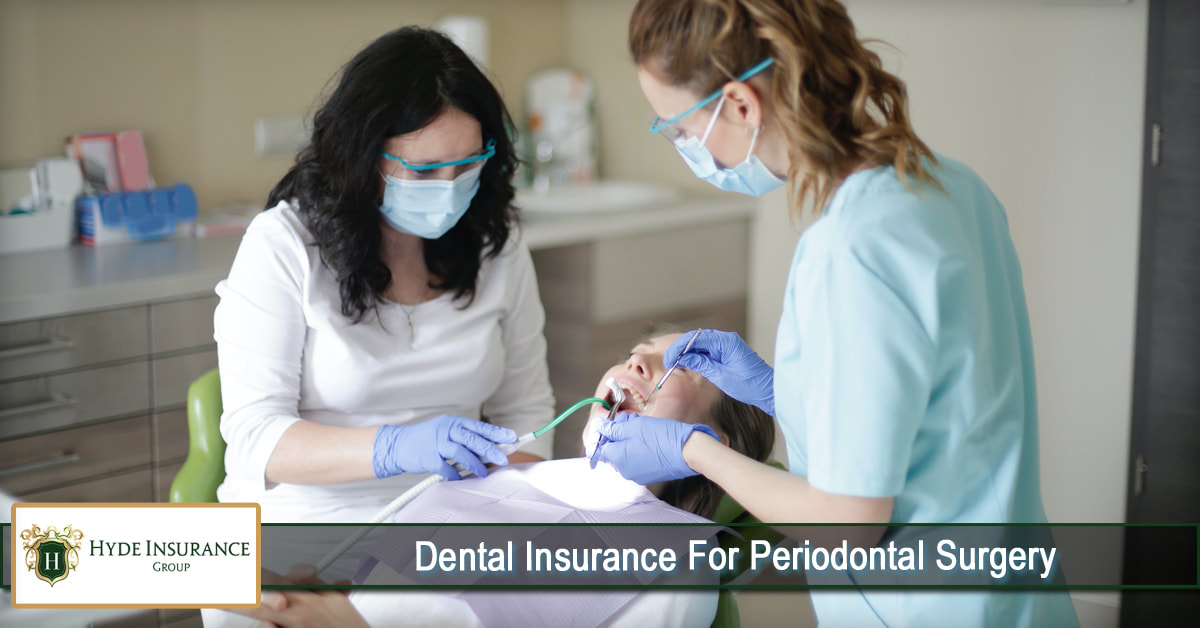 Maintaining good oral health is essential for overall well-being, and sometimes, periodontal surgery becomes necessary to address severe gum disease or other dental issues. If you're facing the prospect of periodontal surgery, understanding how dental insurance can help cover the costs is crucial. In this blog, we'll explore the key aspects of dental insurance for periodontal surgery, including what is typically covered, how to maximize your benefits, and important considerations to keep in mind.
 Our smiles are a reflection of our happiness, confidence, and well-being. A smile can brighten a room, convey positivity, and connect us with others. However, dental problems can dim that radiant smile and affect our overall quality of life. Dental treatments, often accompanied by advanced equipment and technology, can be financially daunting. This is where dental insurance steps in to be your ally in preserving your oral health. If you're considering dental insurance for the first time, here's a comprehensive guide to help you make an informed decision.
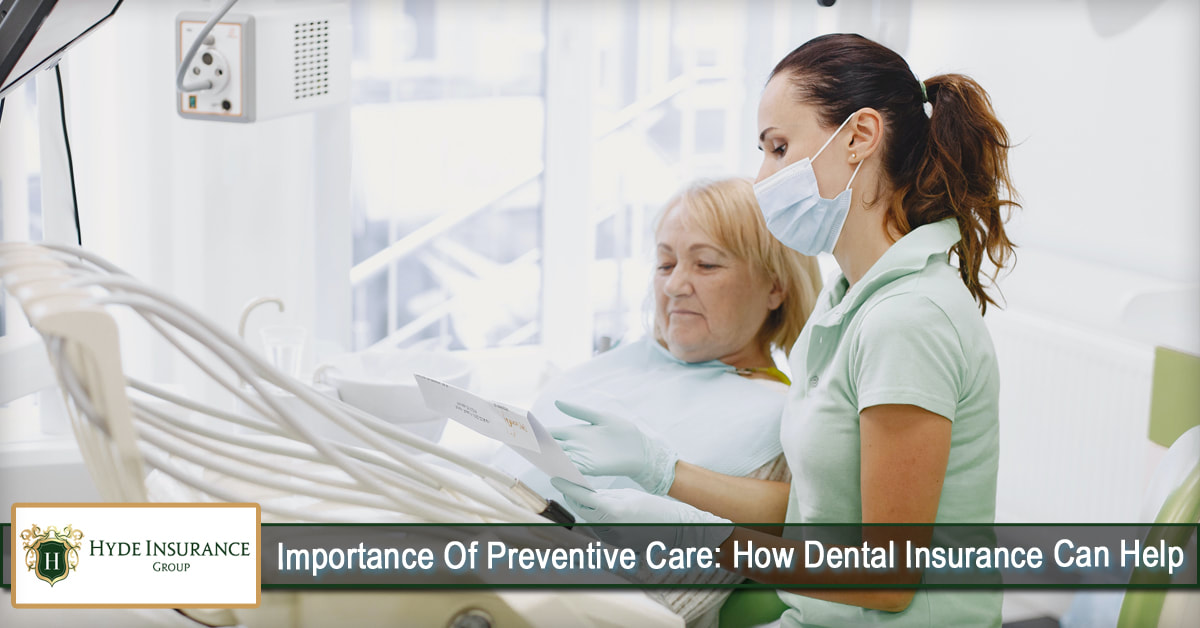 Oral health is an essential aspect of overall well-being that often goes overlooked until problems arise. Bad breath, cavities, and gum diseases are issues people seek to prevent as they care for their oral health. This article emphasizes the significance of preventive dentistry, the role of dental insurance, and the importance of personal preventive care in maintaining optimal oral health.
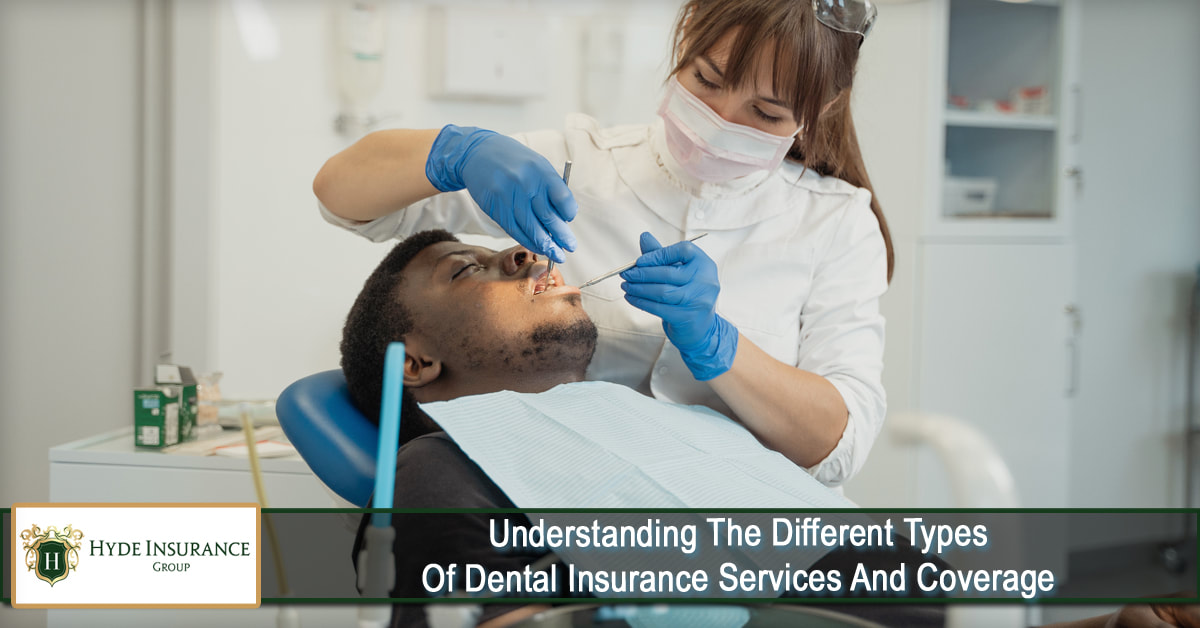 Dental insurance plays a crucial role in ensuring your oral health is well-maintained, but understanding the extent of its coverage can be complex. Different types of dental insurance services cater to various aspects of your dental needs, ranging from preventative care to major dental procedures. To maximize your dental insurance benefits and make informed decisions about your oral health, it's essential to grasp the scope of what dental insurance typically covers. In this guide, we will explore the various types of dental services and coverage, along with common exclusions.
 Braces have long been the solution to common dental issues such as misaligned teeth, overbites, underbites, and jaw misalignment. In fact, statistics show that approximately 9 out of 10 people may experience some form of teeth misalignment during their lives. While the benefits of braces are undeniable, the cost associated with various types of braces, including ceramic, lingual, or clear aligners, can be a significant financial consideration. Fortunately, dental insurance can play a crucial role in alleviating this financial burden, ensuring that achieving a beautiful, aligned smile is within reach without bearing the entire cost personally.
|
Contact Us(888) 345-1215 Archives
July 2024
Categories
All
|
 RSS Feed